
Françoise Hardy
French yé-yé singer known for melancholic ballads and lasting influence.

via Wikipedia: Françoise Hardy · see source
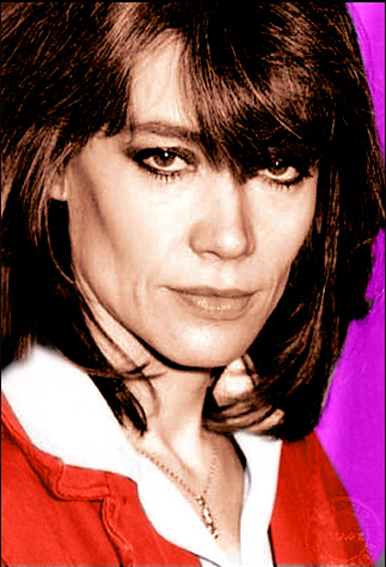
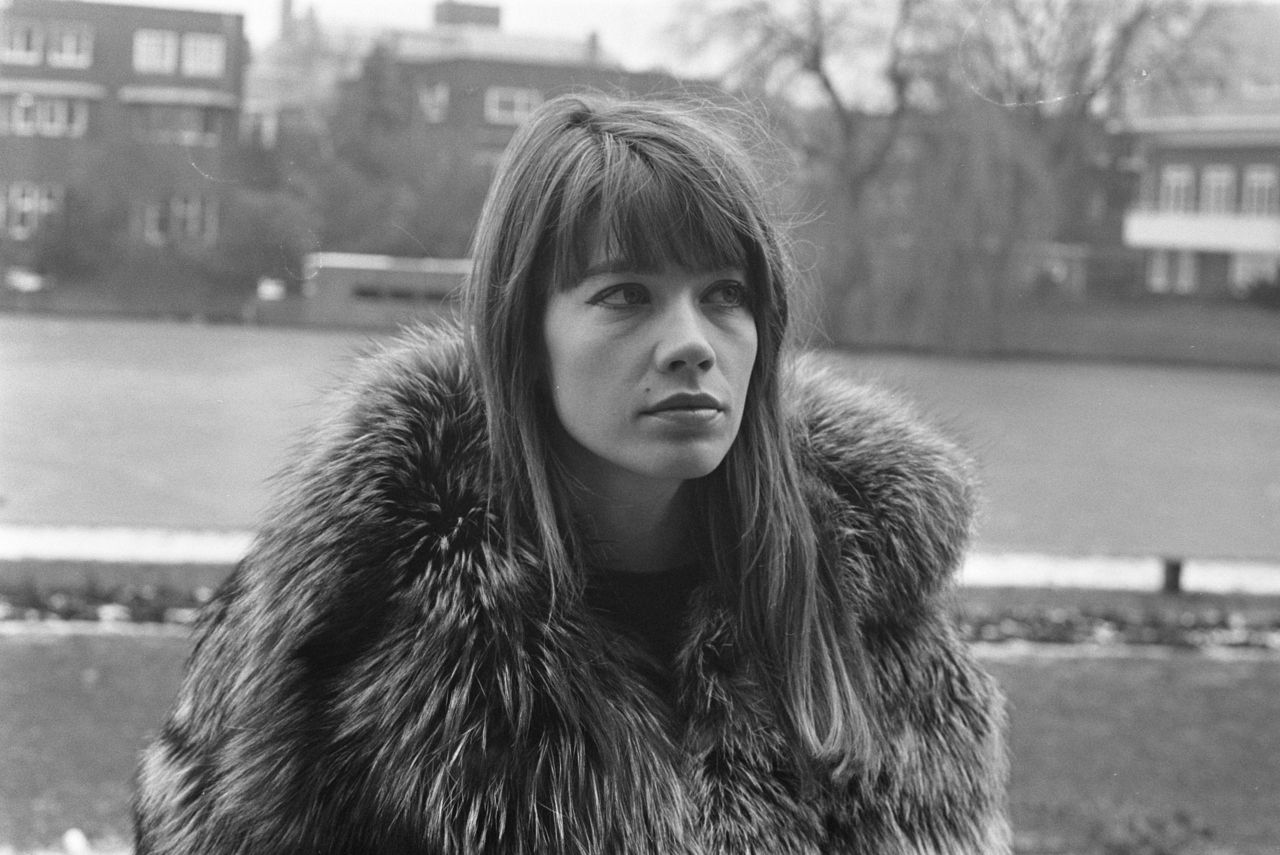
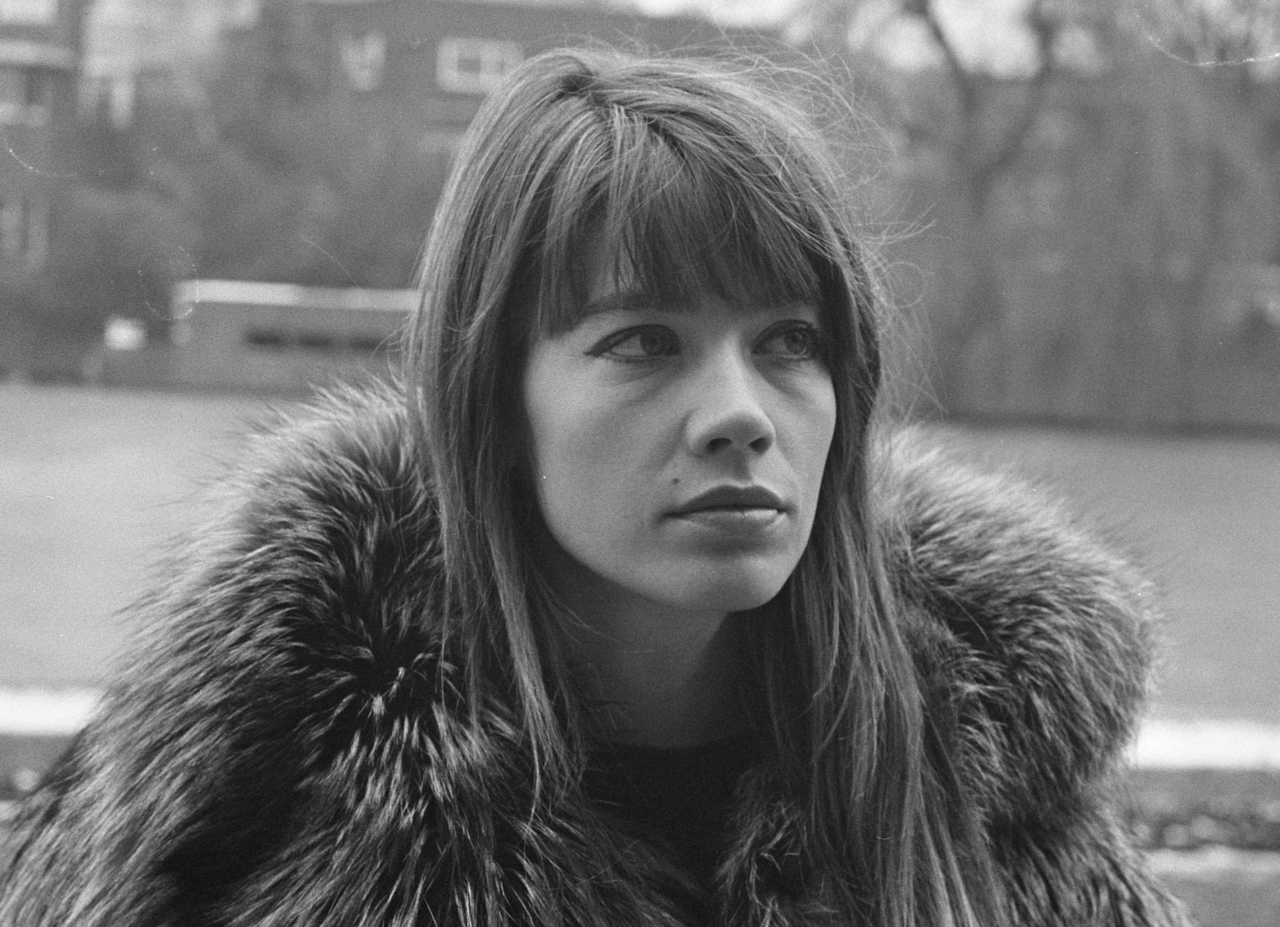
Françoise Madeleine Hardy was a French singer-songwriter, actress, and author who rose to prominence in the early 1960s as a leading figure in French yé-yé music. Known for her melancholic, sentimental ballads, she became a cultural icon in France and internationally, with a musical career spanning more than 50 years and over 30 studio albums.
- field
- Singer-songwriter, actress, author
- nationality
- French
- known_for
- Yé-yé music, melancholic ballads, cultural icon
Verified Timeline
Lore & Background
Françoise Hardy was born in the 9th arrondissement of Paris during an air raid in World War II, an event she linked to her anxious temperament. Raised by a single mother in modest circumstances, she taught herself guitar and began composing songs as a teenager.
Reader's Guide
Hardy's significance lies in her role as a defining voice of the yé-yé movement and her enduring influence on French pop music and fashion. She worked with notable songwriters including Serge Gainsbourg and Patrick Modiano, and her sound evolved from early rock and roll to alternative rock in the 1990s before returning to mellow styles. She also acted in films, became a muse for designers like Yves Saint Laurent, and wrote extensively on astrology. Her autobiography was a best-seller in France. She remains one of the best-selling singers in French history.
Did You Know?
- Hardy was born during an air raid in German-occupied Paris, and the windows of the clinic exploded.
- She sang in French, English, Italian, and German.
- She married French singer-songwriter Jacques Dutronc in 1981; their son Thomas also became a musician.
A Sound in Constant Motion: Five Decades of Musical Reinvention
Françoise Hardy's musical arc spanned more than five decades and over thirty studio albums, yet it was never a straight line. She burst onto the French scene in 1962 with Disques Vogue, her debut single "Tous les garçons et les filles" propelling her into the yé-yé movement and making her a household name almost overnight. By 1964 she had begun recording in London, broadening her palette beyond early rock-and-roll into the introspective territory of Mon amie la rose and L'amitié. The late 1960s and early 1970s brought collaborations with Serge Gainsbourg, Patrick Modiano, Michel Berger, and Catherine Lara, yielding records like Comment te dire adieu and Message personnel. From 1977 to 1988, producer Gabriel Yared shaped albums including Star and Gin Tonic. In 1988 she declared Décalages her swan song, only to surprise listeners eight years later with Le danger, a stark pivot into harsher alternative rock. The 2000s saw a return to mellow balladry, and her final trio of records in the 2010s—La pluie sans parapluie, L'amour fou, and Personne d'autre—closed a career that had also carried her to represent Monaco at the 1963 Eurovision Song Contest and to record in English, Italian, and German.
A Childhood Forged in Absence and Anxiety
Françoise Madeleine Hardy entered the world on 17 January 1944 at the Marie-Louise Clinic in Paris's 9th arrondissement, during a German air raid that shattered the clinic's windows. She would later link that violent first breath to the abnormally anxious temperament that defined her adult life. Her mother, Madeleine Hardy, raised Françoise and her younger sister Michèle as a single parent in a modest Rue d'Aumale apartment, while their father, Étienne Dillard, a wealthy married man, visited only a couple of times a year. The girls attended the Catholic Institution La Bruyère under Trinitarian nuns, where the gap between Hardy and her classmates bred a lifelong sense of insecurity. Her maternal grandmother compounded the damage by repeatedly telling her she was unattractive and a bad person. Summers between 1952 and 1960 were spent in Austria learning German. Early piano lessons ended in stage fright at the Salle Gaveau. At sixteen, after passing her baccalauréat, her father gave her a guitar, and she began composing her own songs. She studied briefly at the Paris Institute of Political Studies before switching to German at the Sorbonne, where she performed every Thursday for small audiences of retirees. A rejected audition at Pathé-Marconi still left her encouraged by hearing her own recorded voice.
Beyond the Microphone: Fashion, Astrology, and the Written Word
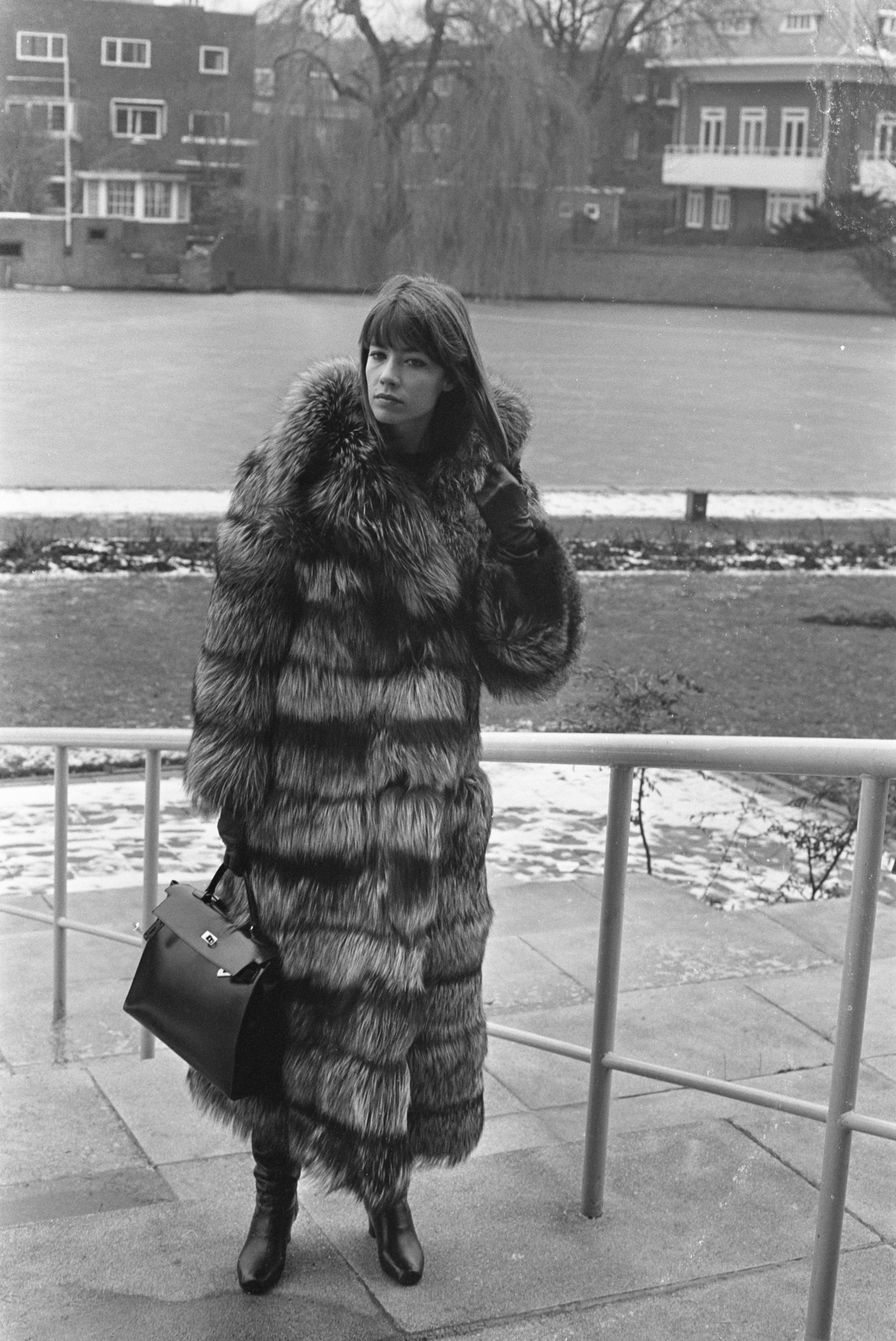
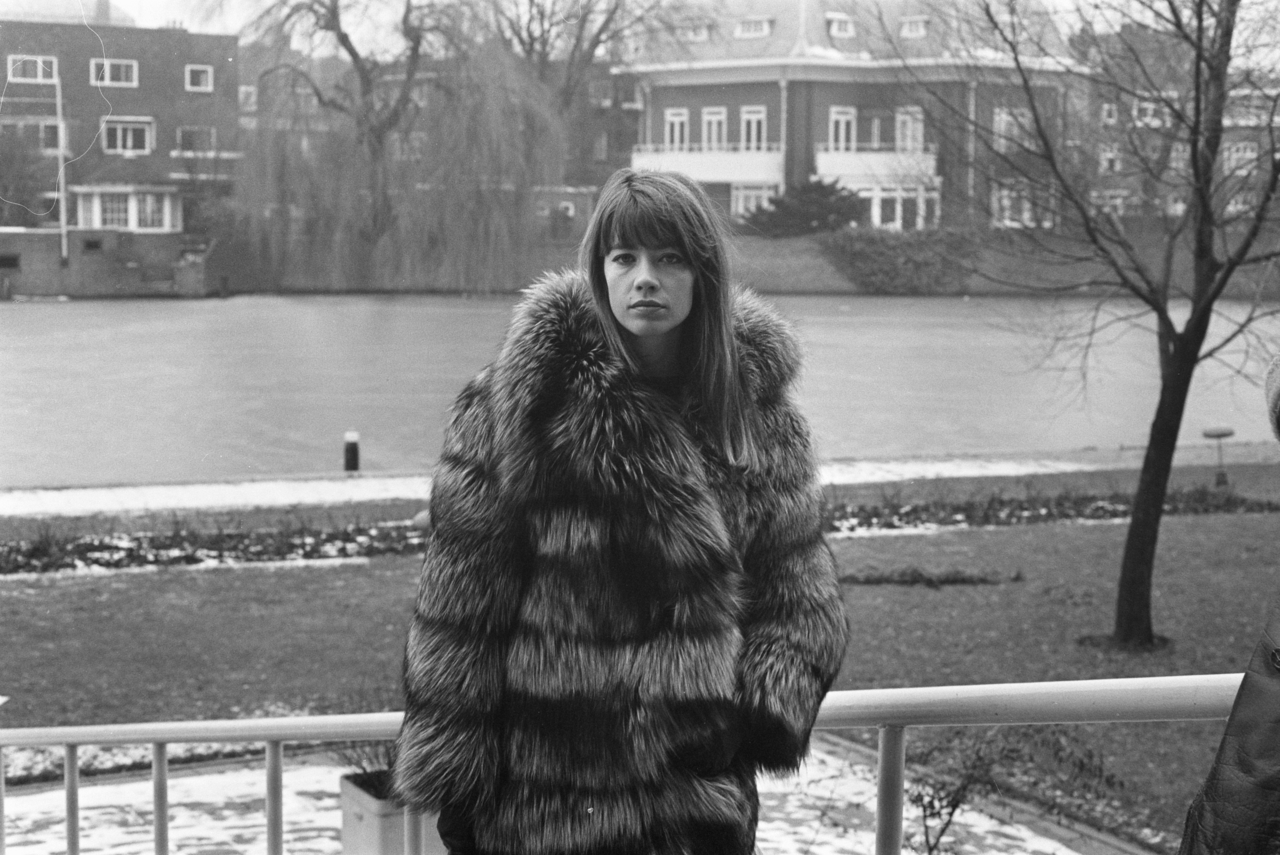
Hardy's influence radiated well past the recording studio. She became a recognized muse for some of France's most celebrated fashion designers, including André Courrèges, Yves Saint Laurent, and Paco Rabanne, and collaborated with photographer Jean-Marie Périer, cementing her status as a style icon alongside her musical one. On screen, she took supporting acting roles in Château en Suède, Une balle au cœur, and the American production Grand Prix. From the 1970s onward she cultivated a parallel career as an astrologer, writing extensively on the subject. In the 2000s she turned to fiction and non-fiction, and her autobiography Le désespoir des singes...et autres bagatelles (The Despair of Monkeys...and Other Trifles) became a best-seller in France, offering readers an intimate, self-deprecatory window into the mind behind the melancholic ballads. These diverse creative outlets—fashion, astrology, screen acting, and literature—revealed a restless intellect that refused to be confined to a single artistic identity, and they deepened her cultural footprint far beyond the charts.
Private Life, Public Legacy, and a Final Chapter
Behind the polished stage persona, Hardy was widely known for her shyness, her open disenchantment with celebrity, and a self-deprecatory humor rooted in lifelong struggles with anxiety and insecurity. In 1981 she married fellow French singer-songwriter Jacques Dutronc, and their son Thomas would go on to pursue his own musical career. Despite her reservations about fame, Hardy's commercial and cultural standing remained extraordinary: she is counted among the best-selling singers in French history and is regarded as a pivotal figure in both French pop music and fashion. In 2006 the Académie française honored her with the Grande médaille de la chanson française, a career-spanning recognition of her contributions to the French song tradition. Françoise Hardy died of cancer in Paris on 11 June 2024, at the age of eighty. Her passing marked the end of an era, but the melancholic, sentimental ballads she crafted over half a century continue to define a particular strand of French popular music and to influence new generations of artists and stylists.
Gallery
Frequently Asked Questions
Who is Françoise Hardy?
She was a French singer-songwriter, actress, and author who became one of the defining voices of the yé-yé movement in the early 1960s. Her signature style blended melancholy with tender, sentimental melodies that resonated across France and beyond.
What genre is Françoise Hardy most associated with?
She is most closely linked to French yé-yé pop, a genre that dominated French charts in the early '60s. Her ballads carried a wistful, introspective tone that set her apart from the more upbeat side of the movement.
How long did Françoise Hardy's career last?
Her recording career stretched across more than five decades, during which she released over thirty studio albums. She remained a recognized cultural figure in France well into the 2020s.
Why is Françoise Hardy considered important in pop and rock history?
She helped shape the sound of 1960s French pop and proved that a singer-songwriter could build a lasting international profile through songwriting and emotional depth rather than just vocal power. Her influence can be traced through generations of French and European artists who followed.
More in Pop & Rock 1-19
Spotted an error? Know more?
This is a living reference — every entry is fact-audited, and reader corrections feed straight into our audit queue. Suggest an edit · See this site's audit record