
Hall & Oates
American pop rock duo, most successful duo of all time.

swimfinfan from Chicago · CC BY-SA 2.0
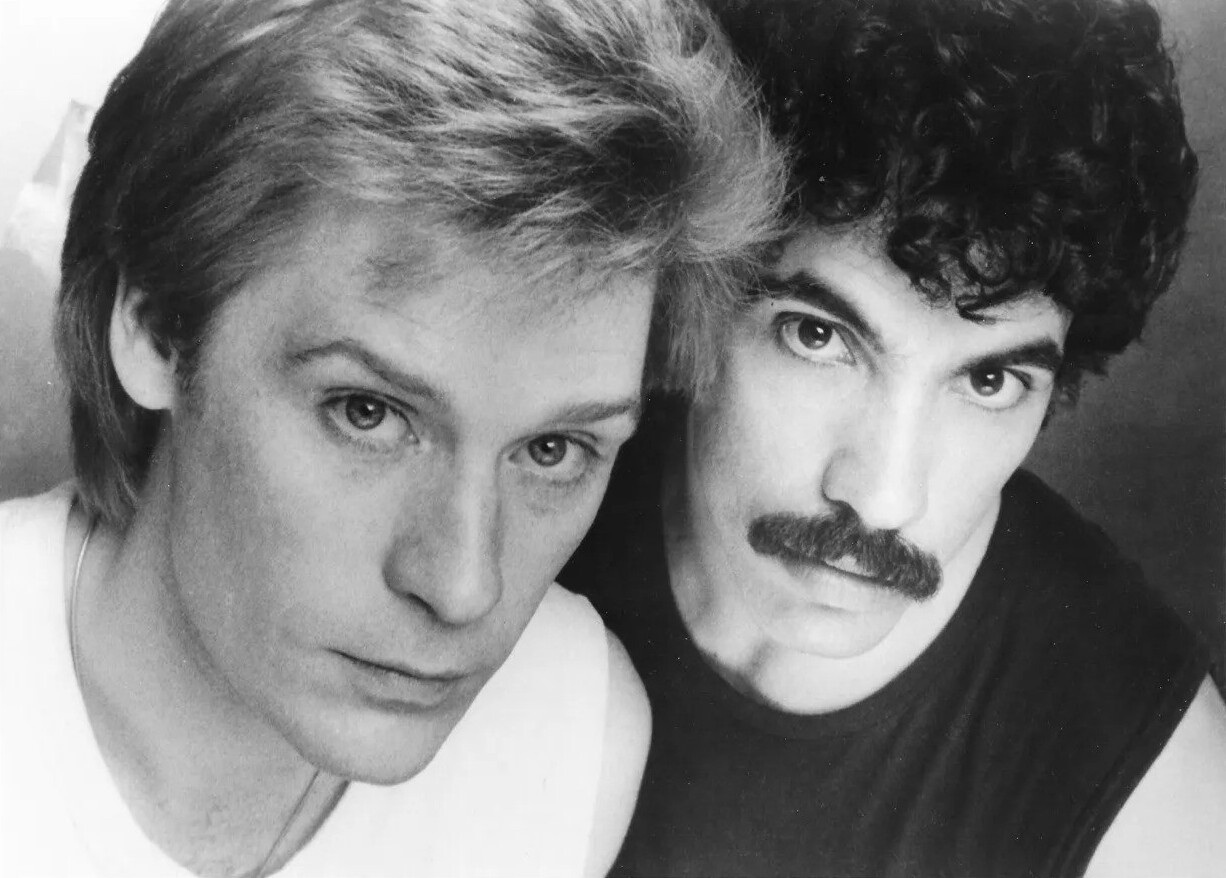
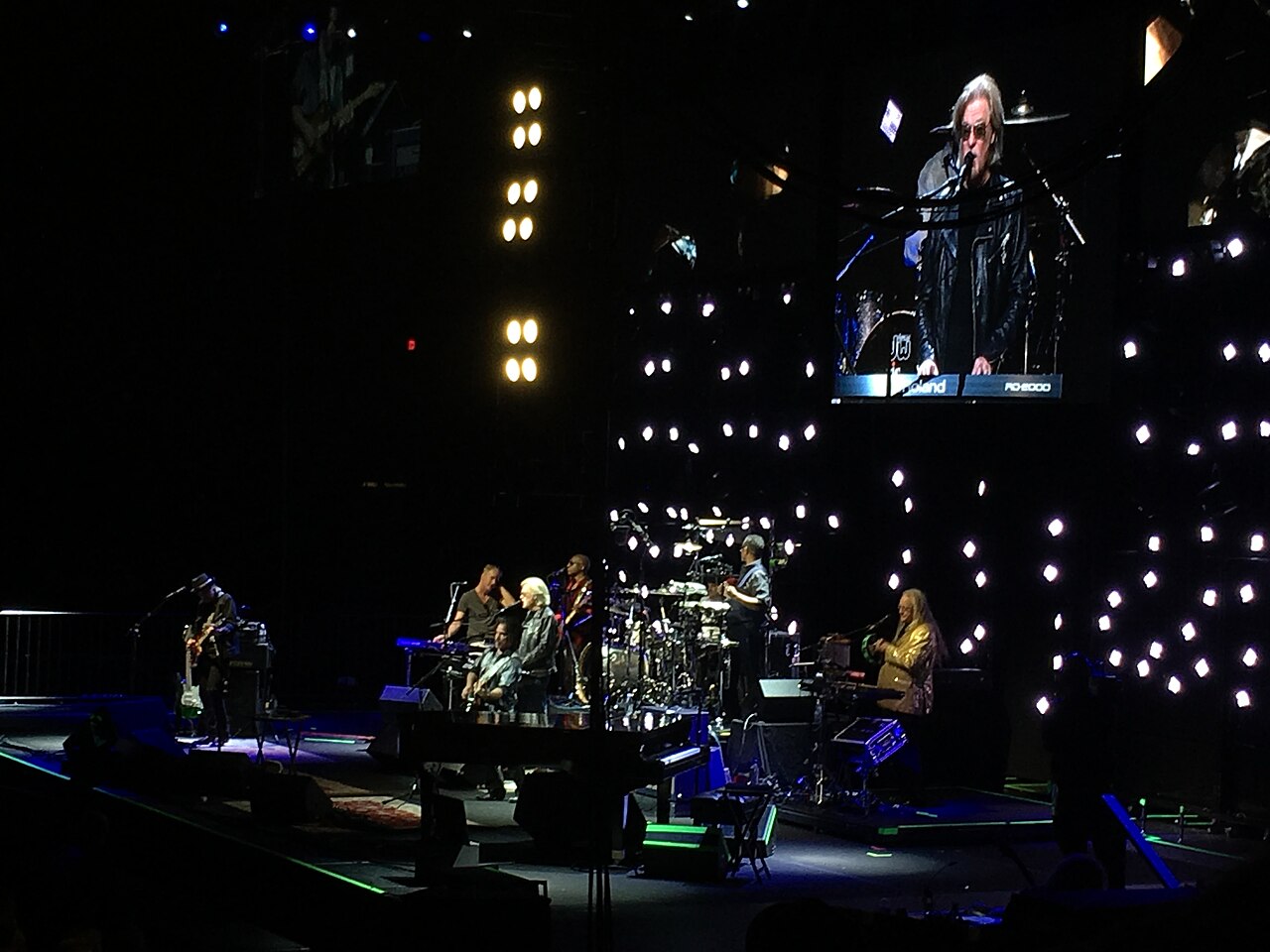
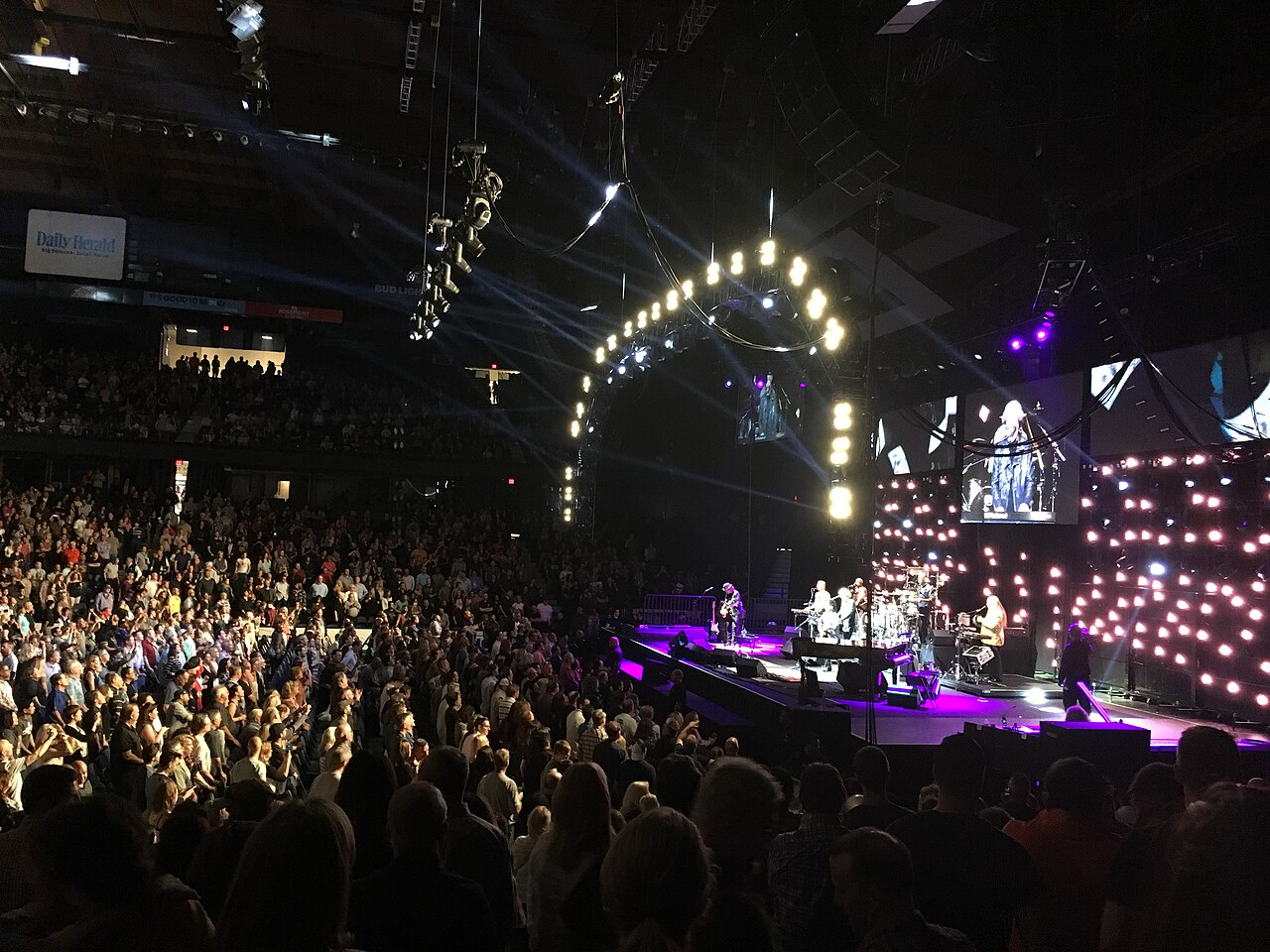
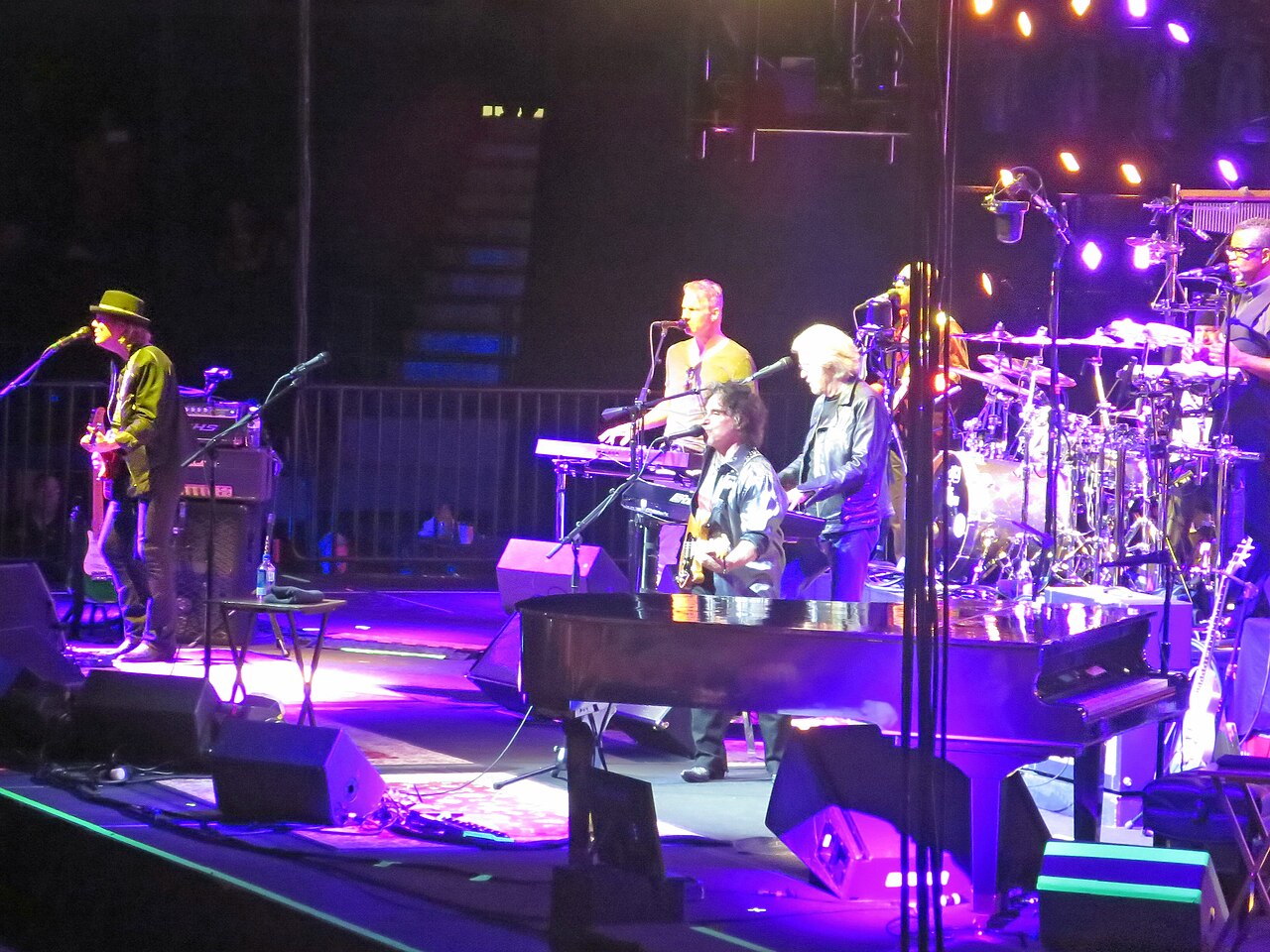
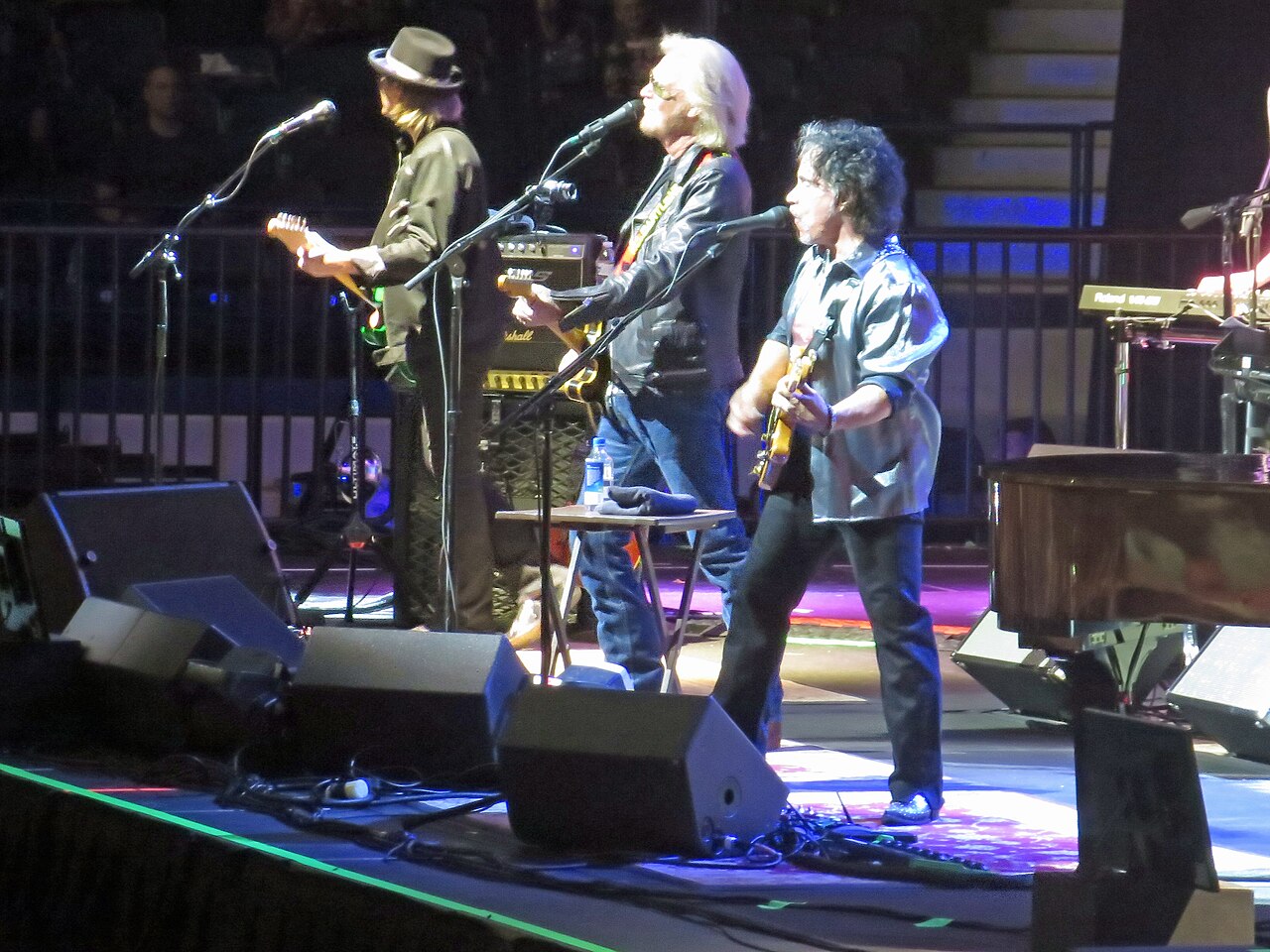
Daryl Hall & John Oates, commonly known as Hall & Oates, were an American pop rock duo formed in Philadelphia, Pennsylvania, in 1970. Daryl Hall was generally the lead vocalist, while John Oates primarily supplied electric guitar and backing vocals and occasional lead vocals. They achieved their greatest fame from the mid-1970s to the late 1980s with a fusion of rock music, soul music, and rhythm and blues. They remain the most successful duo of all time, ahead of the Carpenters, the Everly Brothers, and Simon & Garfunkel.
- field
- Pop rock duo
- nationality
- American
Lore & Background
Daryl Franklin Hohl and John William Oates first met at the Adelphi Ballroom in Philadelphia in 1967, each leading his own musical group. They discovered shared musical interests and both attended Temple University. They began spending time together and eventually shared apartments; one apartment had 'Hall & Oates' on the mailbox, which became their common nickname. They formed a musical duo in 1970 after Oates returned from an extended stay in Europe. Early albums—Whole Oats, Abandoned Luncheonette, and War Babies—were not initially successful.
Reader's Guide
Hall & Oates are significant for their fusion of rock, soul, and rhythm and blues, which defined a sound that dominated American pop radio from the mid-1970s to the late 1980s. Their seven platinum and six gold albums reflect sustained commercial success. They are recognized as the most successful duo in history, surpassing the Carpenters, the Everly Brothers, and Simon & Garfunkel. Their influence extends through their songwriting collaborations with Sara Allen and Janna Allen, and their use of a core group of session musicians including G. E. Smith, Tom 'T-Bone' Wolk, Mickey Curry, and Charles DeChant.
Did You Know?
- The duo's official and preferred title included the members' first names, credited as Daryl Hall & John Oates on all US releases.
Taking the Producer's Chair
Voices marked a pivotal creative turning point for Daryl Hall & John Oates, as it became the first studio album in their career that they produced entirely on their own. Rather than relying on outside producers, the duo took full helm of the recording process, collaborating closely with renowned engineer Neil Kernon, who also handled the mixing, alongside engineer Bruce Tergeson. This hands-on approach gave them unprecedented control over every sonic detail. Hall spread his contributions across lead vocals on seven of the eleven tracks, while also layering in keyboards, vocoder effects, synthesizers, percussion, and the Mandar. Oates anchored the rhythm section with lead vocals on four tracks, guitars including a 12-string, percussion, and the Roland CR-78 drum machine. The supporting band—G.E. Smith on guitar, John Siegler on bass, Charlie DeChant on saxophone, and drummers Jerry Marotta and Chuck Burgi—added depth, while the album was ultimately mastered by Bob Ludwig at Masterdisk in New York City.
A Slow-Burn Chart Dominance
Released by RCA Records on July 29, 1980, Voices did not explode onto the charts overnight. It debuted at number 75 on the Billboard Top LPs & Tape chart the week of August 16, 1980, earning the distinction of the highest debut of that particular week. Over the following ten months, the album climbed steadily, finally reaching its peak position of number 17 on June 13, 1981. That summit matched their best chart showing since 1975, when a previous Hall & Oates release had also peaked at 17. What truly set Voices apart was its extraordinary longevity: it remained on the Billboard 200 for a full one hundred weeks, outlasting every other album the duo had released. Commercially, the RIAA certified the record gold on May 6, 1981, reflecting shipments of 500,000 units, and pushed it to platinum status on January 22, 1982, denoting one million in shipments. Decades later, in 2020, Rolling Stone magazine recognized its lasting significance by placing it at number 80 on their list of The Greatest 80 Albums of 1980.
Four Top-40 Hits and a Posthumous Number One
Voices spawned four singles that all cracked the top 40 of the American pop charts, a remarkable run that unfolded over nearly a year. The first, "How Does It Feel to Be Back," reached number 30 during the summer of 1980. In the fall of that same year, the duo's cover of The Righteous Brothers' "You've Lost That Lovin' Feelin'" climbed to number 12. The following spring brought the album's biggest triumph: "Kiss on My List" stormed to number 1 on the Billboard Hot 100 and held that position for three consecutive weeks. By summer 1981, "You Make My Dreams" rounded out the top-40 haul at number 5. Yet the album's most surprising chart legacy came from a track that was never released as a single by Hall & Oates themselves. "Everytime You Go Away" found new life when British singer Paul Young recorded his own version in 1985. His rendition hit number 1 on the Billboard Hot 100 on July 27, 1985, giving the song a second, entirely separate life at the top of the charts.
A Genre-Blending Sonic Palette
Critics and listeners have described Voices as a richly layered record that weaves together pop, blue-eyed soul, new wave, and power pop, with touches of the avant-garde. That genre-spanning ambition is reflected in the extraordinary range of instruments and textures the duo assembled. Hall brought in vocoder effects, synthesizers, and the Mandar alongside his keyboards, while Oates contributed the Roland CR-78 drum machine, 12-string guitar, and standard guitar work. Additional session musicians expanded the sonic canvas: Jeff Southworth delivered a guitar solo on track five, Ralph Schuckett provided organ on track nine, and Mike Klvana added synthesizer work and technical support on track ten. The core band—featuring G.E. Smith, John Siegler, Charlie DeChant, and two drummers—gave the recordings a live, organic foundation beneath the electronic elements. The result was an album that refused to be pinned to a single genre, instead drawing from multiple traditions to create a sound that felt simultaneously polished and adventurous.
Gallery
Frequently Asked Questions
Who is Hall & Oates?
Hall & Oates is an American pop rock duo consisting of Daryl Hall and John Oates, who came together in Philadelphia in 1970. They blended rock, soul, and R&B into a signature sound that dominated the charts from the mid-1970s through the late 1980s.
What are Hall & Oates's roles in the duo?
Daryl Hall typically handled lead vocals, while John Oates focused on electric guitar, backing vocals, and occasional lead singing. This split of duties became the backbone of both their songwriting and live performances.
Why is Hall & Oates considered important in pop rock history?
Their fusion of rock energy with soul and R&B textures helped define the pop rock landscape of the late 1970s and 1980s. As the most commercially successful duo of all time, they set a benchmark that no other pairing has surpassed.
More in Pop & Rock 1-19
Spotted an error? Know more?
This is a living reference — every entry is fact-audited, and reader corrections feed straight into our audit queue. Suggest an edit · See this site's audit record